

#
I generally think of how equanimity will help me be graceful among suffering or misfortune that is not my fault ~ a sort of forbearance that’s easy to imagine compared to equanimity among suffering I perceive to be caused by my own mistakes and inadequacies, if I think I’ve done something wrong or fallen short, such as feeling insecure as a parent. But these are the times we need equanimity the most, when we are the most hard on ourselves.
#
I wish I had a healthier relationship with anger. I wish we all did and our culture wasn’t so anger-averse. It is on the one hand celebrated (in movies and the aggrandisment of war) and on the other hand repressed (in our children). That’s a mixed message!
I lost my temper recently, yelled at my stepson for abusing his mother while she was trying to help him, threw a tube of hydrolytes across the room, slammed a few doors.
Nothing major ~ and it’s normal, you might say: teenagers are impossible and their moods and bullshit are acutely triggering. Maybe so, but is it normal for a situation like this to cause such an acute sense of shame and self-loathing and a powerful flight response in the form of suicidal ideation!? I guess nervous-system dysregulation is the new normal.
I need this to change. Nervous system balance and emotional fluidity needs to be the new black. Trauma-informed, transpersonal and holistic self-recovery from the damage we’ve done to ourselves and others with our moralistic view of the human-emotion spectrum: anger is bad; joy is good; surprise is neutral until cognitions force our reaction into duality.
Emotions evolved to keep us safe by motivating us to act without needing to rationalise. The social disgust that became anger this morning has a healthy evolutionary and social function if we can just let it be without casting judgement upon it.
To that end, a good place to learn about such emotional fluidity is Filipe Rocha’s Cultivating Emotional Balance (CEB) training and for nervous system mastery, see Jonny Miller.
#
I was talking to Nikki about the acute cognitive distortions I experience when I’m triggered about my capacity to be a good dad, which I wrote about recently. My wounded parts tell me I can’t participate in the family anymore because I need to keep my distance for the sake of harm-minimisation. If I lose my temper, I might cause trauma.
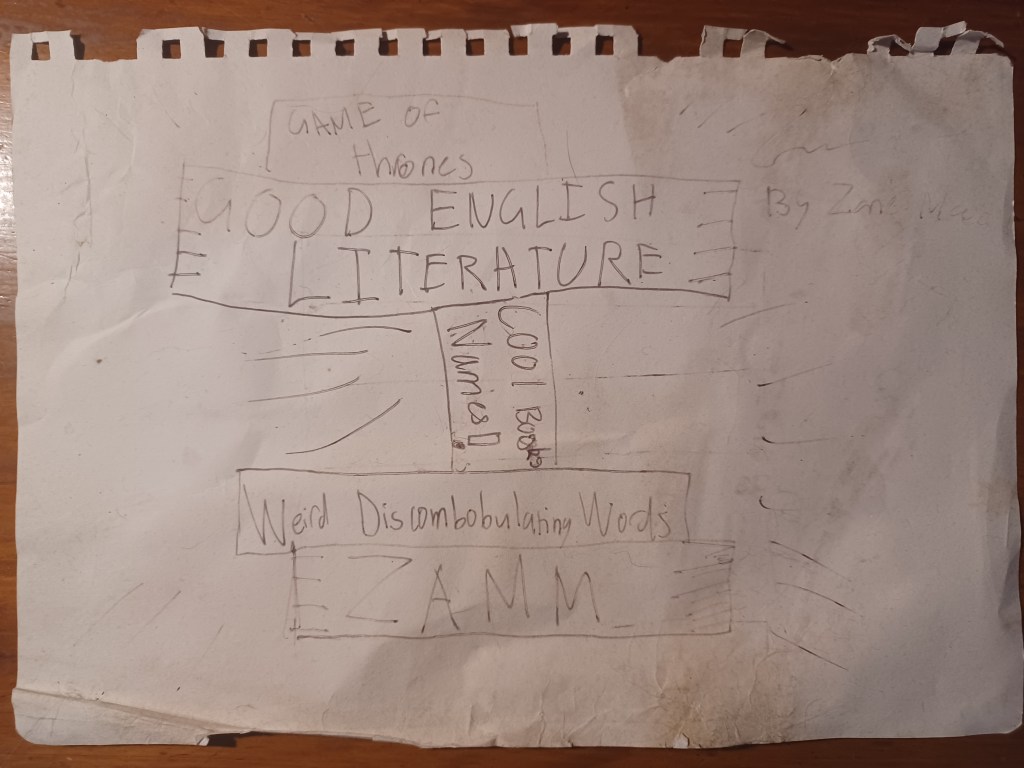
Between my own trauma and the toxic culture pitted against parents, I don’t feel I can do any good (certainly not with the perfectionism my personality subconsciously demands) and the result is that I just want to opt out or tap out. I don’t want to do it anymore. I’m not being a good dad anyway. I have so little to do with Zane, am I being a dad at all?
I did manage to call myself out on that language, remembering that I am being the only dad I know how to be, and that has to be good enough because I didn’t have a good model to start with.
And there would be some neuroscientific understanding about what my upbringing did to the development of my brain that has left me deficient in chemical pathways or something. Here I am trying to live values such as kindness and compassion
when perhaps my brain doesn’t actually know the pathway or the pathway may never have been laid down. I’m talking about how certain experiences in childhood leave a person with the right brain-plumbing. I may be fighting to cognitively apply values my brain physiology literally does not recognise.
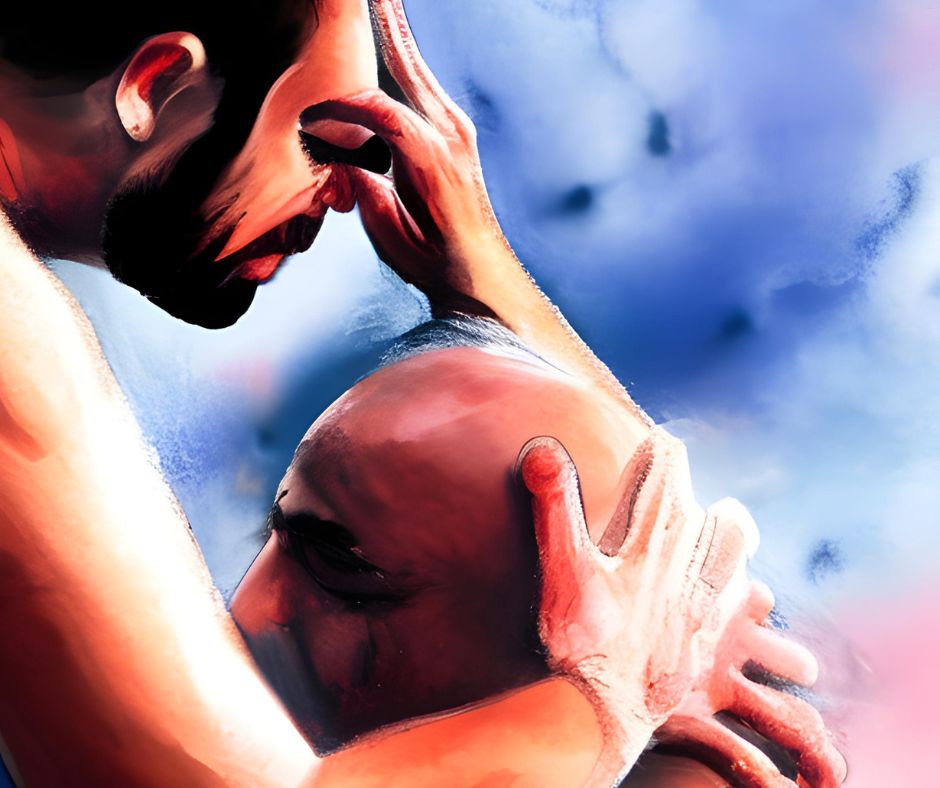
When I was still triggered, Nikki tried to suggest a way things could be done differently next time and pointed out connection before correction. I could not entertain a way I would do things differently next time,
and the suggestion is predicated on the assumption I am capable of making connection in the first place. If I am not capable of maintaining that connection, I also lose capacity to assert boundaries and this leads to major anger-spectrum stuff.
I don’t know how to do connection safely in the context of the trauma I live with ~ I am afraid of rejection, so I don’t take the risk. And I find so many things triggering about Zane, I guess because of repressed shadow and disconnection from self.
My desire to flee from the family and no longer participate as a father may be a flee response and/or it may be a reasonable and logical conclusion of me being neither fit nor willing. It’s hard to tell among whirling thoughts.
I never wanted to have kids and there was a reason for that. Now I’m a stepdad and it simply may not be a good idea. I don’t believe in nuclear families anyway. The pressure between trauma and a toxic culture makes it extremely difficult to parent well. I have other things I could do well if I weren’t trying to live up to an illusory idea and paly roles I may not want to play and which don’t meet the other’s needs anyway.
I catch myself again, and remember we are progressive adults and can imagine new dynamics ~ we don’t need to play by the rules of a culture that has fucked us up, and in fact doing so would be cruel insanity.
The only way to respond to these kinds of cognitive distortions is by prioritising self-compassion. The same approach I was moving toward anyway: privacy, solitude, time alone to make connection with self; cultivating the heart qualities and dropping the identification with roles like ‘parent’ and ‘husband’; authenticity though it jeopardises attachment.
I would rather have the authenticity from connection with self than any attachment relationship that requires the sacrifice of authenticity.



 Kokoro 心 Heart