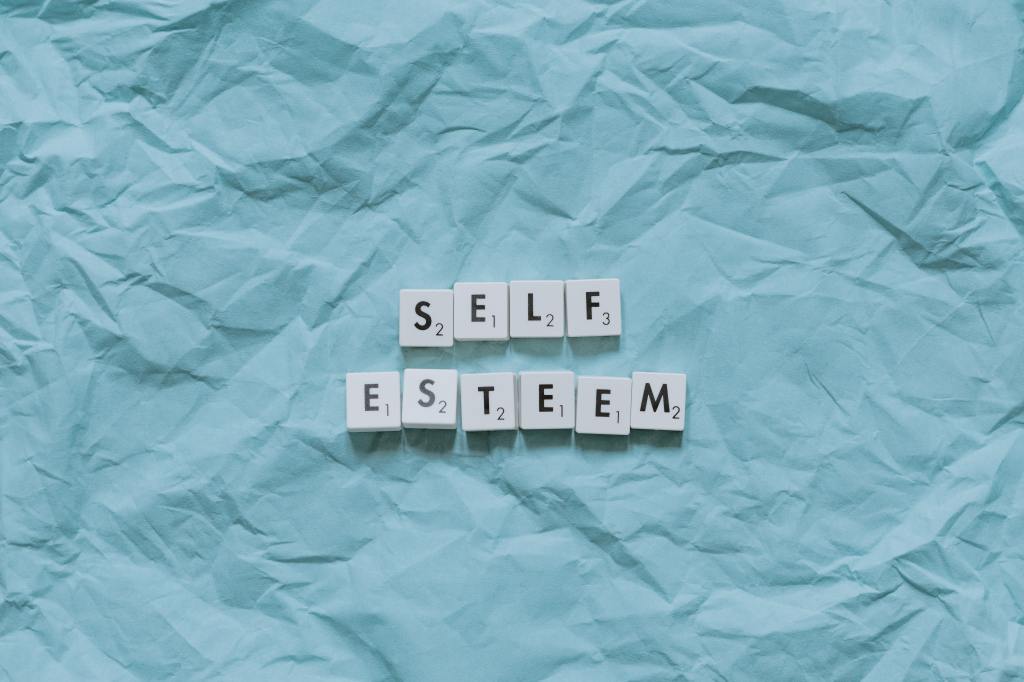
Societal expectations drive a lot of us to be always achieving, never satisfied to just exist and accept ourselves for our inherent worth. Our self-esteem is dependent upon achievement.
I think it’s essential we question the narratives telling us we need to achieve more — always more, never enough.
What is your enough? Do we need more enoughness 😉
What would your life look like if achievement was just something you did for fun? Because you didn’t need to achieve to just feel good about yourself.
I have added a video to the Resources page on Kokoro 心 Heart, about psychological first-aid.
The practice of psychological first-aid falls somewhere between acute and long-term self-care. It baffles me that I was nearly 40 before I had it pointed out to me that we need to treat psychological wounds as they happen, the same as we treat physical wounds.
Here is the video by Guy Winch, which was my introduction to this practice.
I set up to do some righting by this beauty tonight. There is something about working by fire that makes me feel immensely grateful. Something about the fire circle being the original story-telling place perhaps.
I haven’t been able to use this space as my own for a while, due to a situation with a tenant at home. So I’m especially grateful that we have access to this, somehow both a privilege and a rite.
I’m grateful for what I’m learning through this domestic situation about the issues we humans have with control, and that’s what I’m exploring in the journal at the fire tonight.
I am blessed to have met Little Mountain Community and his guided journalling practice. For me it’s like 1:1 blogging
I’ve been taking stock today — taking it slow and allowing myself to get back in the groove of being a bit more organised than I have been lately. I’ve been posting a lot more here recently, but a few other things like life-admin and chores have gone by the wayside a bit.
This is okay — I’ve been riding the enthusiasm I feel for this blog and the community we can build here. It’s been making me happy. I will find the balance between running this blog and running the rest of my life, as the pendulum swings to and fro.
When I’m taking stock I like to go through my various browsers, closing tabs I’ve had open for yonks. It helps me feel a bit more organised by cutting out some of the mental noise I feel at some kind of subconscious level when I know I’ve been opening tabs like they’re going out of fashion.
Something I stopped on today was this article about how some overachievers turn to drugs for escape because no achievement is ever sufficiently satisfying. It’s published by an addiction-recovery and mental-health clinic, and covers a lot of ground (in three short sections) about how societal expectations drive a lot of us to be always achieving, never satisfied to just exist and accept ourselves for our inherent worth.
I understand this compulsion intimately, though I’m not sure I had quite made the connection between the constant need for achievement and the temptation of drugs that promise a reprieve from this pressure.
I am pleased to be able to say, though, that since I’ve been working more full-time on Kokoro 心 Heart and the business around it, I can relate more to this statement from the article:
Our attempts to achieve and succeed should have their roots in a healthy, already-existent sense of self-esteem, rather than being motivated by its absence.
I can honestly say that I wake up each morning feeling committed to doing this work that fulfils my purpose. Not because I need to supplement a low self-esteem, but because doing this work feels as natural and necessary as breathing, or making nutritious food, or walking in the bush. It’s an act of self-care, this work, and feels like something I am just meant to do — no one else expects me to do it.
I value the work I am doing here, and I do it because I believe it has worth — I wouldn’t be able to do that without others’ expectations if I didn’t have a higher sense of self-esteem than I had previously recognised.
So that’s a nice thing to have realised, and was well worth taking stock for. I am grateful, and very fortunate.
Check out the article, and let me know what you think. I think it’s essential we question the narratives telling us we need to achieve more — always more, never enough.
What is your enough?
If societal expectations drive a lot of us to be always achieving, never satisfied to just exist and accept ourselves for our inherent worth, but also no achievement is ever sufficiently satisfying, what to do?
(The title of this post should be sung to the tune of “For Whom The Bell Tolls” while imagining James Hetfield doing the splits.)
We’ve got a situation here. This last week our domestic environment exploded in fits of verbal violence that leave my family and I mostly displaced from the dwelling that was intended as a shared home. We’ve been spending the days in our car or with family, coming back to sleep fitfully at night. Our son has thankfully avoided a lot of the fallout, though not for any positive reason – his friend is missing, so Zane and his mates have been roaming Brisbane to find him. Things are calming down now – the main aggressor is talking about moving out, which is a huge relief.
These events are the symptoms of a maligned culture in demise – they are the cracks that result from collective ways of being that are unsuitable for our nature. I say this not to exonerate myself from my part in the verbal violence – I made the mistake of retaliating, yelling, have accepted my responsibility for the maladaptive reaction I contributed to the escalation of a situation that could have been avoided if I and others had been more skillful, and I resolve to learn from this how to do differently next time. There’s more of that at the end of this draft.
I love that dialogue is emerging around this: “psychosis” is not always inherently pathological. I know that from my own experience of what progressive psychologists (Grof et al) are calling “spiritual emergency”.


 Kokoro 心 Heart